Beauty should enhance life — not replace it
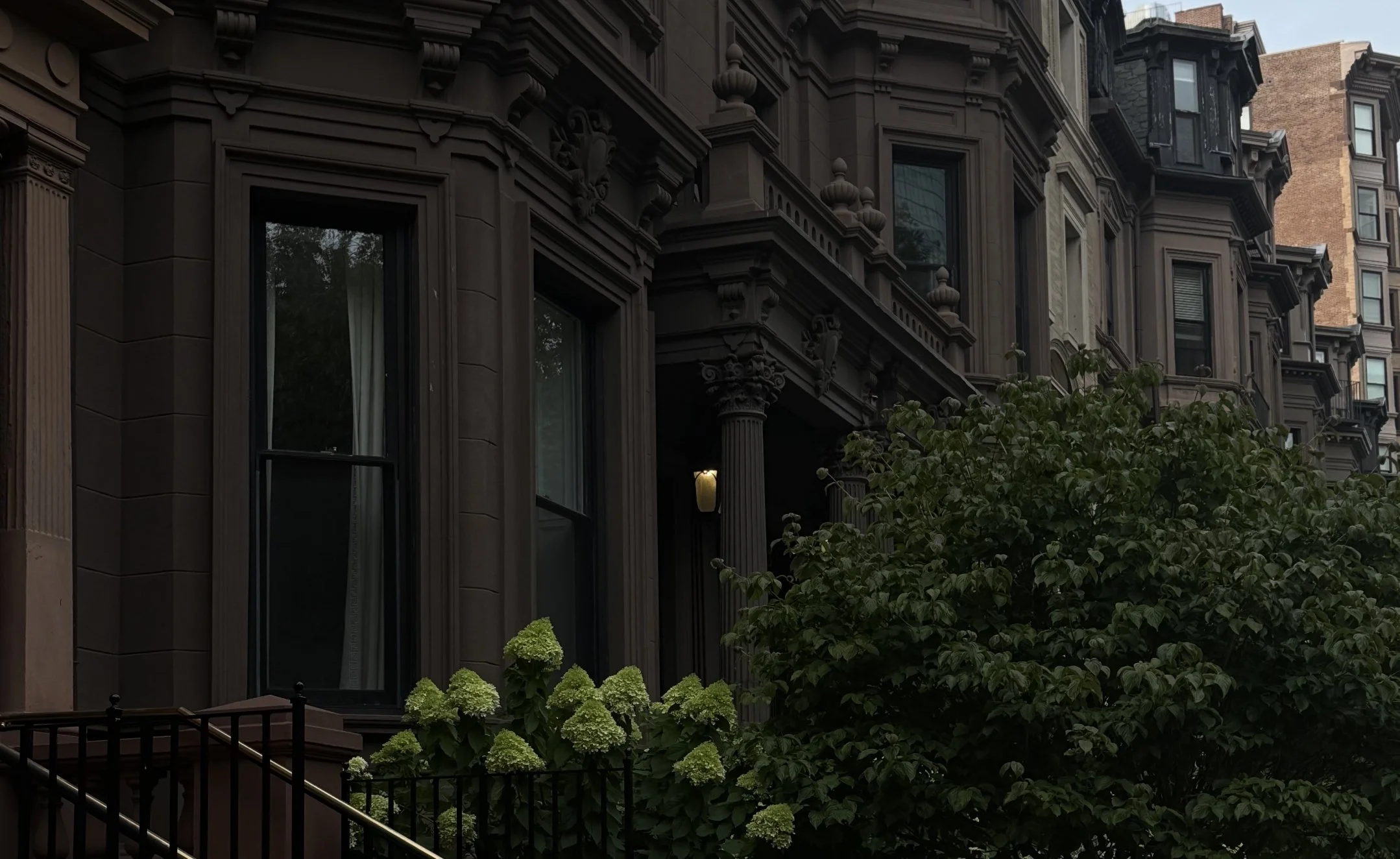
There is a quiet difference between a beautiful home and a home that feels alive.
One is composed. The other is inhabited.
I think often about what we have started to confuse: beauty as a substitute for living, rather than a companion to it. Somewhere along the way, homes became performances — surfaces optimized for appearance, for restraint, for control. Spaces designed to be seen before they are felt.
But beauty, at its best, was never meant to replace life. It was meant to hold it.
A beautiful home should do more than impress the eye. It should soften the body. It should slow the pace of thought. It should make you exhale without realizing why.
Beauty should enhance life — not replace it.
A home worth living in is not defined by perfection, but by presence. It is shaped over time, not installed all at once. It accumulates.
A beautiful home should hold memory. Not just in photographs or objects, but in the way light lands on a worn armrest at the same hour every afternoon. In the scratch on the floor that no one bothered to fix. In the glass that was always slightly too full during certain conversations.
It should invite intimacy — not stage it. A space where people stay longer than they planned to, not because it is impressive, but because it is comfortable to remain inside of.
It should soften people. Not sharpen them into better versions of themselves, but loosen something in them they didn’t know they were holding. The best rooms do not demand performance. They dissolve it.
A home should encourage ritual. Morning coffee in the same corner. Books left open on the same chair. The unconscious choreography of a life that is actually being lived, not optimized.
It should feel collected, not curated. There is a difference between a home that has been assembled for effect, and one that has gathered itself over time. One is complete. The other is ongoing.
A home should feel inhabited. Not staged for arrival, but already in motion when you enter it. As if life has been unfolding there long before you walked in, and will continue after you leave.
It should reveal personality slowly. Not through statement pieces or declarations of taste, but through accumulation, contradiction, and ease. The kind of character that cannot be purchased, only built.
And perhaps most importantly, a home should allow imperfection. Not as negligence, but as honesty. Because perfection is static, and life is not.
A perfectly composed space often asks nothing of you. But a lived-in space asks you to stay human inside of it.
This is the kind of home Ave returns to again and again — not because it is the most expensive, or the most designed, but because it feels the most true.
In a world increasingly shaped by performance — where even beauty risks becoming another form of optimization — I am more interested in something quieter.
Homes that do not perform.
Homes that participate in life.
Homes that make room for it.
