What we’re really looking for in a home
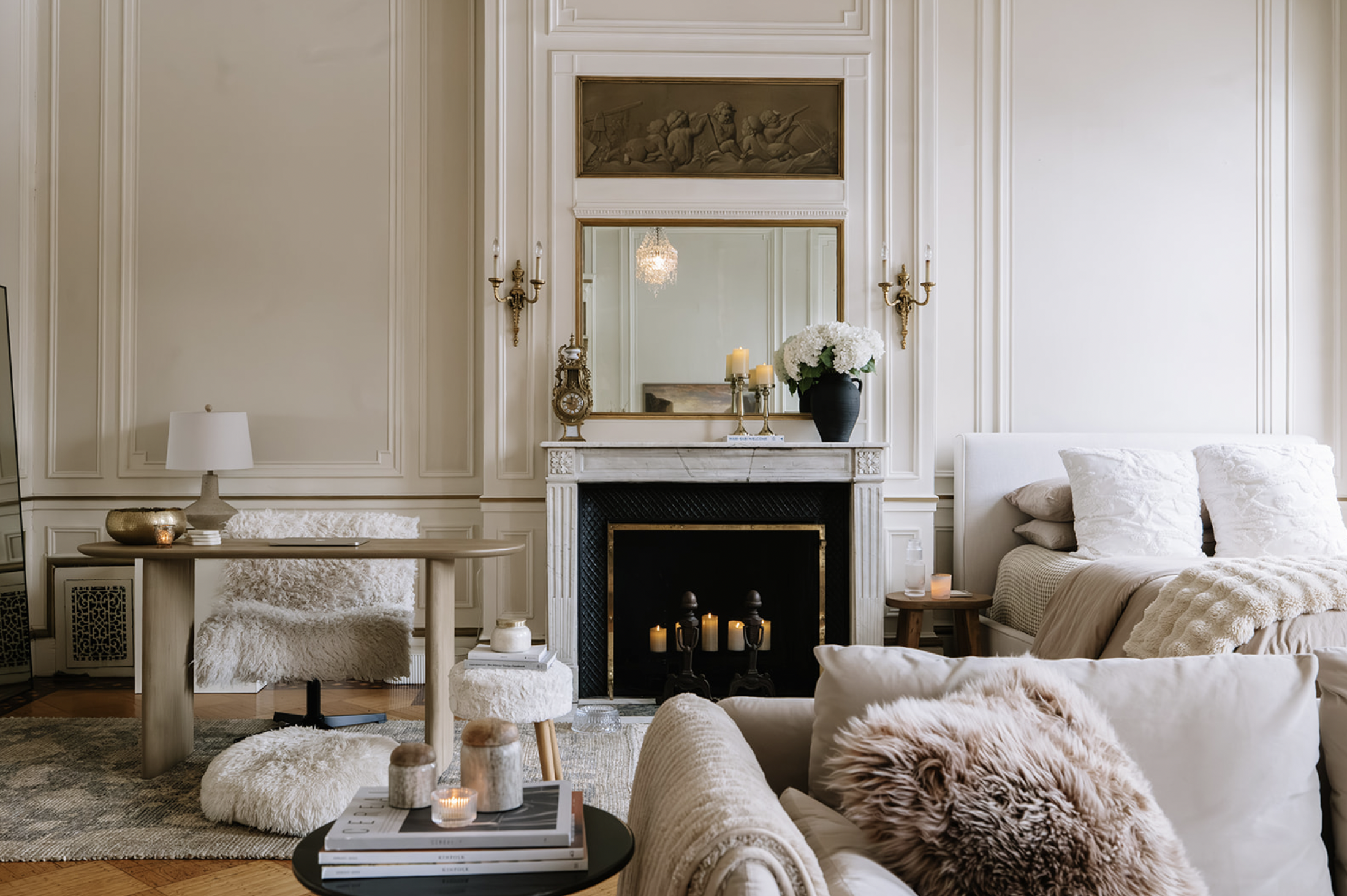
There is a difference between a home that looks good and a home that actually works for how someone lives.
People often talk about homes in terms of finishes, layout, or style, but what they are usually responding to is something less tangible. It is the way a space affects pace. Whether it encourages you to slow down or keeps you slightly on edge. Whether it supports daily life or quietly resists it.
A good home is not just visually resolved. It is behaviorally supportive.
It changes how you move through your day without asking you to think about it. You stay in the kitchen longer. You put things down and do not rush to clear them immediately. You invite people over without reorganizing your entire life first.
That kind of ease is not the result of perfection. It is usually the result of tolerance — for imperfection, for layering, for things not being completely finished or overly controlled.
Which is part of why I am so drawn to older homes in Boston.
Some of the most beautiful properties in Back Bay, Beacon Hill, and South End are not beautiful because they are pristine. In fact, often the opposite.
They are beautiful because they feel inhabited.
Because the architecture allows for intimacy alongside grandeur. Because the rooms were designed for actual living. Because there is texture everywhere — worn floors, old marble, imperfect moldings, strange little layouts that would never survive modern optimization but somehow make a home feel more human instead of less.
There is a warmth to these spaces that is difficult to manufacture artificially.
And increasingly, I think people are craving exactly that.
A lot of contemporary interiors have become very precise. Which is not inherently a problem, except that too much precision can start to remove friction. And friction is often what makes a space feel lived in.
The homes I respond to most are not the most resolved ones. They are the ones that seem to have evolved over time, even if they have not. There is a sense that not everything was decided at once.
A chair slightly too large for the room. Books stacked without styling them first. A dining room that prioritizes atmosphere over symmetry. Spaces that allow for collecting, changing, lingering, hosting, resting. Homes that make life feel fuller instead of merely more aesthetically controlled.
What I am usually drawn to is less about style and more about atmosphere.
Whether a space can hold a person without flattening them.
Whether it leaves room for personality, emotion, memory, and ease.
Whether it supports the kind of life someone actually wants to live inside it.
That, to me, is the difference between a beautiful home and a soulful one.
And honestly, it is one of the things I love most about helping people find homes in Boston. Beneath the brownstones and historic facades are spaces with enormous warmth, history, and potential — homes that do not just photograph beautifully, but genuinely shape the texture of everyday life.
